
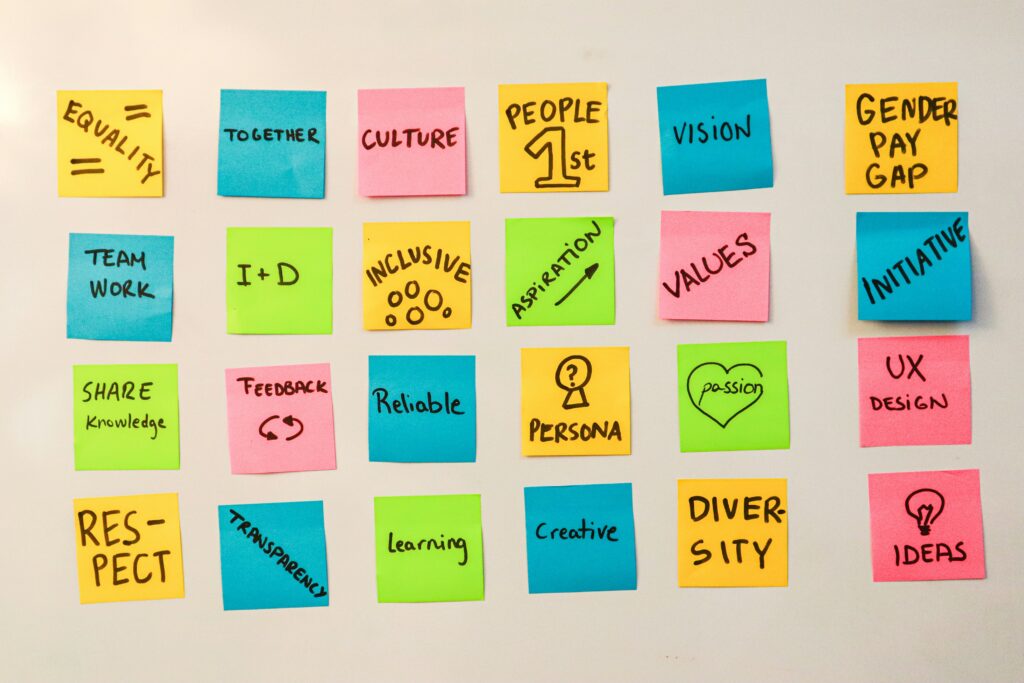
A strong company culture is not a “nice-to-have”—it’s a critical driver of growth, retention, and long-term success. For UK startups, where teams are often small and resources are stretched, fostering a positive, mission-driven culture from the outset can attract top talent, inspire innovation, and ensure alignment during rapid growth.
Why does company culture matter?
✅ Employee Retention: Startups with a strong culture experience 30% higher retention rates.
✅ Higher Productivity: Engaged employees are 21% more productive.
✅ Investor Confidence: VCs often assess a startup’s culture before investing, as it indicates future scalability.
This guide outlines:
- 🎯 What defines a strong company culture
- 🧠 Key steps to cultivate a winning culture from day one
- ⚡ Common pitfalls to avoid when building your culture
- 📊 How to measure and iterate on company culture over time
🎯 1. What Defines a Strong Company Culture?
Company culture is more than just perks and office vibes—it’s the shared values, beliefs, and behaviours that shape how your team interacts and works towards common goals. A well-defined culture guides decision-making, enhances collaboration, and keeps your team aligned during challenging times.
🔑 Key Elements of a Strong Culture:
- Mission & Vision: A clear, inspiring purpose that drives your startup forward.
- Core Values: Principles that guide behaviour, decision-making, and interactions.
- Communication Style: How transparent, open, and respectful team discussions are.
- Work Ethic & Accountability: Expectations around performance and ownership.
- Diversity & Inclusion: Ensuring everyone feels valued, respected, and heard.
💡 Fact: 88% of employees believe a strong company culture is essential for business success, yet only 19% feel their organisation’s culture is well-defined.
🧠 2. How to Build a Winning Company Culture from Day One
🚀 2.1 Define Your Mission and Core Values Early
Set the foundation by articulating a clear mission statement and identifying 3-5 core values that reflect your startup’s ethos. These values should guide everything—from hiring and performance management to decision-making and customer interactions.
🔹 Examples of Core Values:
- “Customer Obsession” – Amazon
- “Move Fast and Break Things” – Facebook (early days)
- “Be a Host” – Airbnb
Action Step: Hold a brainstorming session with your co-founders and early team to define your mission and values collaboratively.
👥 2.2 Hire for Culture Fit (and Add Culture Value)
While technical skills are essential, hiring employees who align with your culture is equally important. Look for candidates who not only fit your culture but also add new perspectives and strengths.
✅ Culture Fit: Does the candidate align with your startup’s mission and values?
✅ Culture Add: Can they bring diverse experiences and viewpoints that enhance your culture?
Tip: Use behavioural interview questions that assess values alignment.
📢 2.3 Lead by Example: Culture Starts at the Top
Founders and senior leaders set the tone for company culture. Model the behaviours and values you want your team to adopt. Consistency between what leaders say and do fosters trust and reinforces cultural norms.
👀 Remember: Culture is built through actions, not just words.
🔄 2.4 Build a Culture of Feedback and Transparency
Encourage open communication and constructive feedback from the outset. Employees who feel heard and valued are more engaged and loyal.
🔹 Actionable Ideas:
- Hold regular team retrospectives and check-ins.
- Use tools like Slack, Notion, or Trello to facilitate open discussions.
- Create anonymous feedback channels to gather honest opinions.
🌱 2.5 Prioritise Diversity, Equity, and Inclusion (DEI)
A diverse team fosters innovation and better decision-making. From the start, make diversity, equity, and inclusion a core part of your culture.
💡 Pro Tip: Create an inclusive hiring process that minimises unconscious bias by using structured interviews and blind CV reviews.
🎉 2.6 Celebrate Wins and Recognise Contributions
Recognition boosts morale and reinforces positive behaviours. Celebrate team achievements—whether it’s securing a major client, hitting a revenue milestone, or completing a sprint ahead of schedule.
🔹 Ideas to Celebrate Success:
- Publicly recognise contributions during team meetings.
- Use tools like Bonusly or Kudos to reward outstanding work.
- Offer small perks, such as extra time off or personalised gifts.
⚡ 3. Common Pitfalls to Avoid When Building Culture
❌ 3.1 Ignoring Culture Until It’s Too Late
Many startups delay defining their culture, assuming it will evolve naturally. However, culture by default often leads to misalignment and confusion.
✅ Solution: Prioritise defining your culture from the beginning, even if your team is small.
❌ 3.2 Overemphasising Perks Over Purpose
Ping pong tables and free snacks are nice, but they don’t define culture. Focus on purpose and values that resonate with your team.
✅ Solution: Emphasise meaningful work, growth opportunities, and team cohesion over superficial perks.
❌ 3.3 Neglecting Remote and Hybrid Culture
In the era of remote and hybrid work, building a cohesive culture requires extra effort. Without intentional action, remote teams can feel disconnected and disengaged.
✅ Solution: Create virtual team-building activities, establish asynchronous communication norms, and foster an inclusive remote environment.
📊 4. Measuring and Iterating on Company Culture
📈 4.1 Conduct Regular Culture Surveys
Use pulse surveys and anonymous feedback to gauge how employees feel about your company culture.
🔹 Questions to Include:
- Do you feel aligned with the company’s values?
- Do you feel your voice is heard in decision-making?
- How would you describe the company’s communication style?
📊 4.2 Track Retention and Employee Satisfaction Metrics
Monitor turnover rates, satisfaction scores, and referral rates to assess cultural health. A high retention rate is often a sign that your culture resonates with your team.
🔄 4.3 Iterate Based on Feedback
Culture is not static—it evolves as your startup grows. Be open to refining your values, communication style, and processes as you scale.
💡 Pro Tip: Hold quarterly culture reviews with leadership to assess alignment and make necessary adjustments.
🎯 5. Conclusion: Culture as a Competitive Advantage
Building a strong company culture from day one gives your startup a competitive edge in the UK market. It attracts top talent, boosts team morale, and ensures that everyone is aligned with your vision as you scale. By defining your mission, hiring for culture fit, fostering feedback, and prioritising diversity, you can create a culture that drives growth and long-term success.
Remember: Culture isn’t a one-time effort—it’s an ongoing process that requires intentionality and adaptation. Start strong, stay consistent, and evolve as your startup grows.
📚 Need Help Building an Investor-Ready Startup?
ModelsForStartUps.com offers:
✅ Business Plan Templates – Define your mission and values in a compelling plan.
✅ Pitch Deck Templates – Showcase your company culture to investors.
✅ Financial Model Templates – Plan for scalable growth while maintaining culture.
✅ Cap Table Templates – Manage equity and reward your team fairly.
💡 Explore our templates today and set your startup up for success!
📌 #StartupCulture #CompanyValues #Leadership #UKStartups #ScaleWithSuccess #FounderTips #BusinessGrowth #ModelsForStartUps #BuildingCulture #TeamAlignment